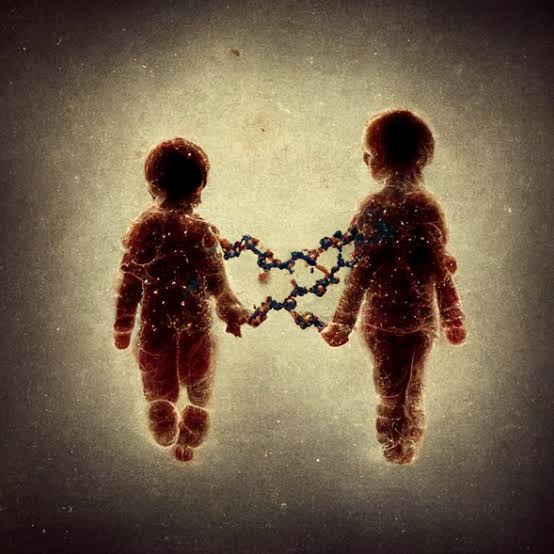
In the evolving landscape of modern dating, social media has transformed our dating patterns. Genetic dating, pushing it further, is a novel and intriguing concept that has emerged in recent times. Genetic dating helps in finding an ideal partner not by matching your hobbies or lifestyle, but by matching DNA.
While this stuff sounds like a far-fetched notion, like a sci-fi plot, this is turning into reality sooner than we can think. Genetic dating claims to facilitate the selection of better and wiser partners by making potential genetic comparisons. It promises that people can have healthier and happier relationships as compared to traditional dating.
However, like any other promising technology, genetic dating is not free from legal challenges. These advances may be exciting, but such services keep expanding, and once popular, they present several legal and ethical questions that deserve thorough analysis.
Who would have thought that love could be achieved through a process influenced by DNA?
1. What is Genetic Dating?
Genetic Dating: Future of Dating?
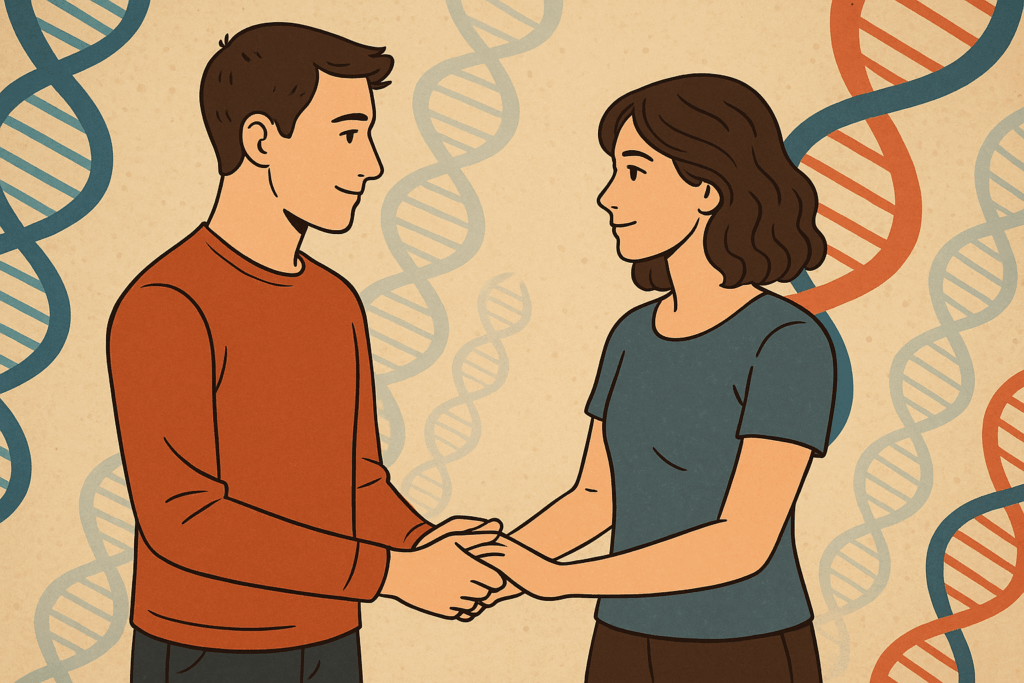
Genetic dating is a process that uses your DNA to find a compatible romantic partner. These services analyze specific genetic markers that are believed to influence traits such as attraction, emotional bonding, and even long-term compatibility. A sample of your Saliva or cheek swab is taken, then genome sequencing is carried out on that sample. They look for the genes that are responsible for behaviour, moods, and responses, then analyse to match the compatible pairs.
2. The Science Behind Genetic Dating.
Genetic dating is generally believed to be dependent on the genes that define how susceptible we are to other people or compatible with each other in relationships. This is based human leukocyte antigen, commonly known as the HLA gene complex, which plays a significant part in the human immune system.
Studies reveal that people are in most cases drawn by the scent of the HLA genes of their partner to produce offspring who are stronger immunologically, a phenomenon believed to enhance reproductive fitness by increasing immune system variability in offspring. This phenomenon is believed to be a way of providing more variations in the genes and the immune systems of future generations.
Besides the HLA factor, other parameters that could be taken into consideration by the genetic dating services are the other genes that may be associated with personalities, health issues, and even psychological disorders. From studying these genetic markers, companies want to achieve a program that will promote naturally induced chemical attraction to their partner and embark on right and fruitful unions.
3. Legal and Ethical issues
Though scientifically proven in their elementary principle of connecting the users, the concept of genetic dating services also has some legal and ethical issues, such as privacy, since in order to do genome sequencing, companies need genetic data, which belongs to the category of “sensitive personal data” under privacy laws. This can bring about discriminatory policies based on genetic characteristics and dehumanise the entire concept of exercising emotional rights.
3.1. Individual rights and personal data protection
Information about the genetic database is specific and confidential; its supply to a third party might result in severe consequences. Businesses need to ensure that consumers have adequate protective measures and that the usage of this information is clear.
There are instances where the General Data Protection Regulation in the European Union and the California Consumer Privacy Act in the United States have given the framework for the protection of such data, such issues are still emerging frequently and in a diversely unique pattern, therefore these call upon regular checks and innate advancement in the regulatory framework to address new world issues.
According to the GDPR, A company that uses gene data must seek users’ consent on how and when their data is collected and used. They also must ensure that they provide sufficient details to the people as to how the data will be utilized and where it will be stored. CCPA protects California residents’ freedom to access data and know how such data is being captured from them, apart from this, the freedom to request data deletion and the freedom to not allow their data to be sold in the market is also recognised under CCPA.
However, these rules have raised certain questions regarding the subject of genetic data. The risk of compromising personal data and its misuse through data leakage is massive. Genetic data is even more vulnerable because it is characterised as sensitive information. The consequences of a breach include identity theft, discrimination, and psychological trauma, which can have long lasting impact on the data subject.
3.2. Informed Consent
One of the essential aspects of genetic dating is that the consent of the user (data subject) should be sought. Voluntary, unambiguous, and clear consent should be taken from the data subject before collecting their data. People ought to be in a position to understand how their genetic data will be employed, how it will be archived, and to what purposes it will be used in the process.
Whether just ‘consent’ is enough to confer such magnanimous rights of controlling several individual lives?. No, consent is not enough to collect genetic data. Data must be collected through “Informed consent”, which should therefore extend and entail disclosure and explanation of how genetic data is being collected, where it will be stored, for how long it will be retained, to whom it will be disclosed, what is the exact purpose of collecting data, if they will share this data with any third-parties; with whom and for what purpose must be clearly stated while asking for the consent.
Businesses must refrain from confusing language and guarantee that the user comprehends the consequences of their consent. But more often than not, we see a disconnect between planned output and what a user expects to get. Consent forms are often long and tend to have heavily loaded legal jargons, which tend to make people barely understand what they are signing.
3.3 Genetic Discrimination
There are pre-existing laws that try to address the issue but still are crippled due to technical dysfunctions. Genetic Information Nondiscrimination Act of 2008 (GINA) in the United States of America remains riddled with such exceptions when analysing its effectiveness to render justice in such situations. Thus, with the rise of genetic dating, further legal measures may be required to protect people against the abuse of genetic data.
GINA prohibits employers and health insurance companies from accessing or exercising any kind of operations relating to an individual’s genetic information on the pretext of overlapping their ambit of employment and insurance policy. This nonetheless, does not involve life insurance, disability insurance, and/or long-term insurance for reasons said to be situationally justified. What goes unaddressed here is that such loopholes may cater to larger crimes related to identity theft and human degradation.
Genetic discrimination extends far beyond insurance and employment, potentially affecting numerous aspects of life. The misuse of genetic information poses a significant risk, as it can exacerbate existing social inequalities and create new forms of prejudice. For example, individuals with certain genetic profiles might face social rejection in personal relationships, with their genetic makeup unfairly labelling them as “undesirable” partners. This scenario illustrates how genetic data, if mishandled, could lead to new and insidious forms of social stratification and exclusion.
3.4 Accuracy and Reliability
The foundation compatibility tests are grounded in science and must therefore be considered reliable. First, on the matter of attraction based on HLA compatibility, it will be pertinent to note that while research is available, the general use of genetic data to determine successful relationships is open to debate.
Data processors should adequately disclose the present status of genetic science and the capabilities of the services offered regarding potential usefulness and effectiveness. This includes the ability to admit that marrying within one’s race is only one aspect of the numerous factors that affect relationship satisfaction.
The limitations of genetic testing raise questions about its reliability. Genetics is not a static field; ongoing scientific debates highlight the complexities of interpreting genetic data. Overemphasis on genetic test results or misinterpretation of trends may lead to unrealistic expectations in relationships.
Individuals might prematurely judge potential partners based on genetic profiles, potentially overlooking other crucial factors in compatibility. This overreliance on genetic information could skew perceptions of relationship potential and development, leading to misguided decisions in mate selection.
4. The Role of Genetic Counselors
Genetic Counselors who are professionals in this specialization can assist in the ethical and accurate utilization of the genetic info in the said services. These professionals can comprehend the numerous issues that are associated with genetic data and thus can be invaluable in matters relating to genetics, stating especially in a given population, such information must be interpreted and utilized.
4.1 Counseling and Education
Genetic counsellors play a crucial role in guiding individuals through the complexities of genetic dating services. They can:
- Educate clients on genetic compatibility principles
- Explain the pros and cons of genetic matchmaking
- Help clients make informed decisions about using these services
However, many individuals consult genetic tests without professional support, risking misinterpretation of results. This highlights a critical need: genetic dating companies should prioritize comprehensive user education.
By providing clear, accessible information, these companies can reduce the risk of misunderstanding genetic data by empowering users to make well-informed decisions and promote responsible use of genetic information in relationships. This approach would enhance user experience and mitigate potential negative outcomes associated with genetic-based matchmaking.
4.2 Ethical Oversight
Genetic counsellors can also supervise the ethical issues concerning the business of genetic dating companies. They can assist in the development of properly prepared informed consent processes and guarantee privacy. Moreover, they can help guide companies on useful application features, legal indications for providing information, and recommendations relating to the interpretation and presentation of genetic data to users.
4.3 Mitigating Discrimination
The methods of genetic dating may become less discriminating if companies will consult genetic counsellors to identify where discrimination is possible and how it can be prevented. Counsellors can collaborate with technologists to develop matching algorithms that do not incorporate bias and ensure that the information derived from genetics is utilized morally.
5. Effects that Genetic Dating may have on the Society
This is because concerning the concept of society genetic dating is a tool that can alter the approaches to relations and compatibility. Over time, such services will transform the social culture and trend in dating and partnership among people.
5.1 Changing Standards and Entrance Requirements
The incorporation of this kind of genetic data in the choice of a partner could possibly change traditional values and traditions. People might start paying more attention to their compatibility genetically and consider it a very essential aspect for their relationship to work. This might also result in the alterations of the most important values in dating practice and the new focus on the scientific and biological characteristics of the prospective partner.
The shift towards genetic-based matchmaking raises concerns about the commodification of relationships. This trend risks reducing the complex nature of love and compatibility to mere genetic factors, potentially undermining the depth and nuance of human connections.
By overemphasizing genetics, we may:
- Oversimplify the multifaceted nature of romantic relationships
- Devalue emotional, social, and experiential aspects of compatibility
- Create a reductionist view of human bonding
This approach could lead to:
- A transactional mindset in partner selection
- Neglect of personal growth and compromise in relationships
- Diminished appreciation for the intangible elements that make connections meaningful
Ultimately, while genetic information may offer insights, reducing human relations to genetic compatibility risks dehumanizing the profound and often unpredictable nature of love and partnership.
The emphasis on genetic compatibility in relationships risks reducing human connections to a purely biological agenda, potentially neglecting other crucial aspects of interpersonal dynamics. This narrow focus could lead to:
- Overvaluing genetic factors at the expense of emotional, social, and intellectual compatibility
- Diminishing the importance of shared values, life goals, and experiences
- Underestimating the role of personal growth and adaptability in successful relationships
By prioritizing genetic makeup, we may inadvertently:
- Overlook the complexity of human attraction and bonding
- Disregard the importance of communication, empathy, and mutual understanding
- Minimize the significance of cultural and environmental influences on relationships
This biological reductionism could result in a less holistic partnership approach, potentially leading to unfulfilling relationships that appear ideal on a genetic level but lack depth in other essential areas.
5.2 Accessibility and Inclusivity
The accessibility and equality of genetic dating services are crucial ethical considerations. To ensure fairness and inclusivity, these services should:
- Address the diverse needs of various demographic groups
- Uphold the right of all individuals to access such services
- Provide comprehensive information and support across all population segments
These services should be developed with consideration of the needs of the different groups of people in order that the rights of every person to engage in such services be observed. This also entails taking into consideration ways of making information and support available throughout the population.
However, genetic testing and counselling services prove expensive and perhaps inaccessible to persons of lower income brackets. What then happens is that it leads to issues of equity and fairness of the utilization of genetic data for dating, it potentially exacerbates existing social and economic inequalities. Hence, it could be said that its ethical provision must include the availability and distribution of these services to all population groups.
5.3 Societal Acceptance
The general adoption of genetic dating depends on society’s attitude to the use of genetic data in their private domestic relationships. Educating and raising awareness of the general public will play a vital role in allaying misconceptions and worries about genetic dating.
To gain public acceptance, genetic dating services must engage in active dialogue with potential users, their approach should involve addressing common misconceptions and ethical concerns.
Ultimately, the success and ethical implementation of genetic dating depends on effective communication that bridges the gap between complex scientific concepts and public comprehension.
6. Ideas for the Further Development
The concept of genetic dating has what lies ahead of it in the future filled with hope and still quite ambiguous. Over time, as there are enhancements in the field of genetics, tests about compatibility between individuals are likely to be more accurate, thus enhancing the prospects of these services as more individuals fancy the concept. Additionally, the choice of the match based on the combination of genetic data and other factors, including personality, lifestyle, and cultural background may result in enhancing the chances of appropriate matchmaking.
6.2 Expanded Research
The continuous study of both genetics and relationship science will help in the enhancement of the scientific foundation for genetic dating. This entails research about how genetics affects bases for attraction, compatibility, and the chances of relationship success. More empirical developments will contribute to a better underpinning of the dating services based on genetic research while current drawbacks and questions will be easier to resolve.
Some of the challenges that researchers face include handling of the participant data, consent, and consideration of genetic information. Furthermore, the importance of the heterogeneous sample, which can be important to obtain the results applicable to various age and cultural groups, cannot be overestimated.
6.3 Regulatory Frameworks
With the ever-developing genetic dating services, there will be demands for proper regulatory measures that will be put in place to monitor the companies’ operations. The governments and regulatory authorities should endeavor to formulate and implement policies and regulations that will enhance the defense of the users’ privacy, their free consent and banning of genetic discrimination.
Conclusion
Relationship genetics surely belongs to the most fascinating fields on the border of science and technology and social interactions. Despite the optimistic outcomes where compatibility and health of relationships are concerned, all the ethical, legal, and social implications cannot be overlooked.
Ensuring ethical use of genetic data in dating services demands specific and transparent data usage policies, robust privacy protections, strong informed consent procedures, and strict non-discrimination safeguards. The future of genetic dating services hinges on ongoing research and development, the expertise of genetic counselors, and continued ethical scrutiny and refinement. As society navigates this emerging field, priority must be given to addressing ethical considerations, engaging with public concerns and feedback, balancing potential benefits with individual rights, and upholding societal values. This approach aims to maximize the advantages of genetic dating while respecting personal autonomy and privacy, preventing misuse or discrimination, and aligning technological advances with ethical standards. By prioritizing these ethical and societal considerations, we can foster responsible innovation in genetic dating that respects individual rights while harnessing the potential benefits of this technology, ultimately ensuring that genetic dating services evolve in a manner that is both scientifically sound and ethically responsible.
About the Author: Ms. Kavya Nayak is a dynamic leader at LexGenics, where she has been an integral part of the team since September 2023. With a diverse skill set, she has played a pivotal role in onboarding and Human Resources. In addition to her expertise in these areas, Kavya is a dedicated full-time editor, writer, and content curator. She also leads the social media strategy and oversees operations, demonstrating her versatility and commitment to the organization’s success.
If you are a legal professional or law student eager to learn practical skills like contract drafting, litigation techniques, or legal research and want to explore law your way, don’t miss out on our personalized 1-on-1 legal courses.
You can also check out our upcoming events, including the Moot Master Class for advocacy training and our Student Brand Ambassador Program, designed to help you grow your network and leadership experience.
Explore our courses and events today
Book a Contract Drafting 1-on-1 Session
Start Personalized Legal Learning
Become a Student Brand Ambassador
Image Courtesy: SoundRocket.com


Leave a Reply